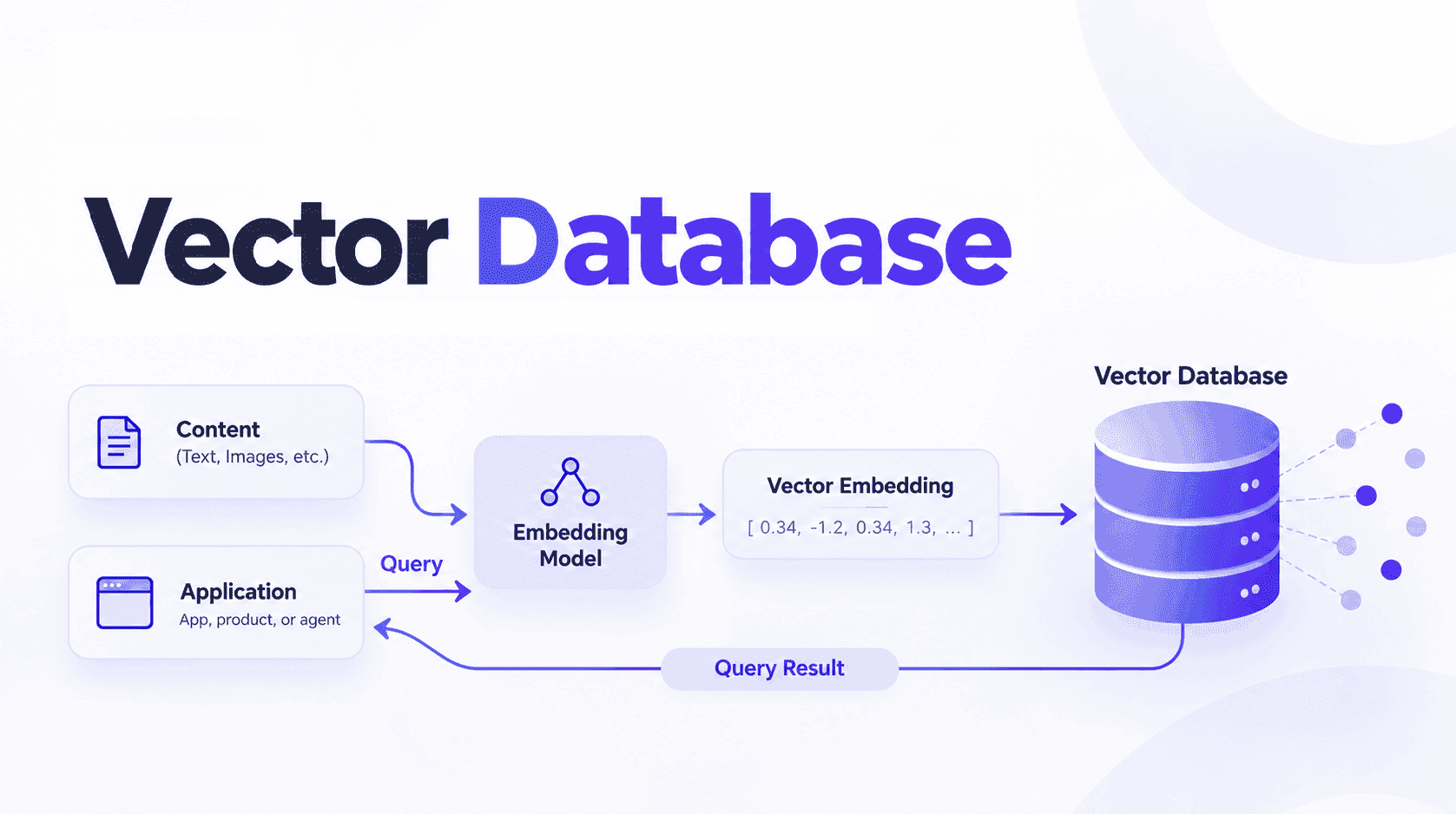
A student mastered recursion three sessions ago. Your AI just re-taught it. No memory means no learner model, just a loop.
AI tutors that reset every session, the student re-explains their learning style every single session. So, you have an expensive chatbot, not a personalized AI tutor.
Quick Takeaways
A stateless AI tutor resets every session, forcing students to re-establish context that a human tutor would never forget.
Dumping the full chat history into the context window incurs tokens linearly and breaks across devices or app restarts.
Mem0 extracts semantic facts rather than storing raw logs, so retrieval is precise rather than verbose.
One Mem0 instance handles unlimited students via user_id scoping, with no per-student backend infrastructure required.
Adding agent_id separates memory by subject within the same student profile, eliminating cross-contamination between, say, math and CS tutoring.
Here is what that looks like in practice:
This article walks you through one Streamlit app, roughly 100 lines of core Python logic, that wires Mem0 to any OpenAI-compatible LLM and produces the second response above.
Here is a glimpse of what you’ll build👇
Please enter a valid YouTube, Vimeo, or direct video URL
The EdTech industry has been shipping personalization for years: a vanilla LLM with no memory layer, marketed as adaptive learning. The fix is not a better model. It is a missing storage layer.
A human tutor’s memory is what you are actually paying for when you hire one. Not their knowledge of recursion -- you can get that from a textbook. What you are paying for is their mental model of this student, built session by session. Your AI tutor has the same raw knowledge as the model. That is not an LLM limitation. That is a missing storage layer.
Why context-stuffing is not the answer?
The obvious workaround is to dump previous session transcripts into the context window at the start of each new session. Developers reach for this because it requires no new infrastructure -- just pass more history. But context-stuffing does not produce personalization. It produces recall. Dumping 40,000 tokens of chat history does not mean the model understands the learner; it means it can reference what was said. A system prompt with 5 extracted facts outperforms 40,000 tokens of raw history on adaptation quality, not just cost.
More practically, the approach breaks entirely when a student switches devices, clears their browser, or logs in from a new environment. Token cost scales linearly with sessions, and there is no persistent store backing the context. You have moved the problem around, not solved it.
How does Mem0’s persistent memory work?
Raw logs are a retrieval problem disguised as a storage solution. Storing “User said: I don’t get base cases” gives you a timestamp and a quote. It tells you nothing about what the student currently knows, how that knowledge has changed, or what to do next session. Mem0 stores the extracted fact -- “student struggles with recursion base cases” -- as a discrete, queryable object. When the student later says they have finally got it, Mem0 does not append a contradiction. It updates the fact.
The extraction happens automatically. You call mem0_client.add() with a conversation, and Mem0 runs its own pipeline to pull semantic facts from the exchange. No prompt engineering required on your end.
user_id scoping: one instance, many students
Every memory write and retrieval is namespaced to a user_id. Your single Mem0 client instance handles every student in your app. No per-student backend or custom auth layer separating their data.
mem0_client.add(messages, user_id="student_123")
mem0_client.search(query, filters={"user_id": "student_123"})
mem0_client.add(messages, user_id="student_123")
mem0_client.search(query, filters={"user_id": "student_123"})
mem0_client.add(messages, user_id="student_123")
mem0_client.search(query, filters={"user_id": "student_123"})This means you can onboard your 1,000th student without changing a single line of infrastructure code. The scoping is handled entirely at the Mem0 layer.
How search() shapes the next response
Before every LLM call, your app runs a search() against Mem0 using the student’s latest message as the query. Mem0 returns the top 5 most semantically relevant facts about that student. Those facts are injected directly into the system prompt. This is how Session 2 produces “I know base cases tripped you up last time” instead of a textbook definition -- Mem0 stored that fact at the end of Session 1.
The LLM then generates a response that is already calibrated to the learner. It knows their style and their gaps. It also knows what to skip.
Demo: Building the personalized AI tutor
The demo runs across three sessions. Each session clears the chat history to prove that adaptation is not coming from the context window.
👉Get a free API key at app.mem0.ai to follow along.
Session 1 is a trap -- and that is intentional. Both columns look identical. The student gets the same generic recursion explanation from both sides. If you showed this to a skeptic, they would close the tab. But Mem0 runs its extraction pipeline in the background. So, the divergence does not happen in Session 1. It happens because of Session 1.
What changes between sessions: the core argument
Before seeing the full code, it is worth understanding exactly what Mem0 changes. The only thing that changes between a generic response and an adapted one is the system prompt. Here is what both sides look like:
system = "You are a generic AI programming tutor. Give a standard textbook explanation."
system = "You are a generic AI programming tutor. Give a standard textbook explanation."
system = "You are a generic AI programming tutor. Give a standard textbook explanation."
This is what changes the response. The model on both sides is identical. The deployment is identical, but the only variable is whether the system prompt contains facts about the learner.
The intelligence is not in the LLM. It is in what you tell the LLM about the person it is talking to.
This before/after is the entire argument for persistent memory in tutoring. Want to see the same pattern applied to a customer support agent?
The core logic
The respond_with_mem0 Function is where the architecture lives. Everything else is Streamlit scaffolding.
def respond_with_mem0(messages, user_message, session_num):
if session_num == 1:
reply = chat(BASE_SYSTEM, messages)
latest_turn = [messages[-1], {"role": "assistant", "content": reply}]
mem0_client.add(latest_turn, user_id=st.session_state.user_id)
return reply, [], BASE_SYSTEM
memories = mem0_client.search(
user_message,
filters={"user_id": st.session_state.user_id},
limit=5
)
memory_lines = [m["memory"] for m in memories if isinstance(m, dict)] if memories else []
system = MEM0_SYSTEM
if memory_lines:
system += "\n\nWhat you already know about this student from past sessions:\n"
system += "\n".join(f"- {line}" for line in memory_lines)
else:
system = BASE_SYSTEM
reply = chat(system, messages)
latest_turn = [messages[-1], {"role": "assistant", "content": reply}]
mem0_client.add(latest_turn, user_id=st.session_state.user_id)
return reply, memories, systemdef respond_with_mem0(messages, user_message, session_num):
if session_num == 1:
reply = chat(BASE_SYSTEM, messages)
latest_turn = [messages[-1], {"role": "assistant", "content": reply}]
mem0_client.add(latest_turn, user_id=st.session_state.user_id)
return reply, [], BASE_SYSTEM
memories = mem0_client.search(
user_message,
filters={"user_id": st.session_state.user_id},
limit=5
)
memory_lines = [m["memory"] for m in memories if isinstance(m, dict)] if memories else []
system = MEM0_SYSTEM
if memory_lines:
system += "\n\nWhat you already know about this student from past sessions:\n"
system += "\n".join(f"- {line}" for line in memory_lines)
else:
system = BASE_SYSTEM
reply = chat(system, messages)
latest_turn = [messages[-1], {"role": "assistant", "content": reply}]
mem0_client.add(latest_turn, user_id=st.session_state.user_id)
return reply, memories, systemdef respond_with_mem0(messages, user_message, session_num):
if session_num == 1:
reply = chat(BASE_SYSTEM, messages)
latest_turn = [messages[-1], {"role": "assistant", "content": reply}]
mem0_client.add(latest_turn, user_id=st.session_state.user_id)
return reply, [], BASE_SYSTEM
memories = mem0_client.search(
user_message,
filters={"user_id": st.session_state.user_id},
limit=5
)
memory_lines = [m["memory"] for m in memories if isinstance(m, dict)] if memories else []
system = MEM0_SYSTEM
if memory_lines:
system += "\n\nWhat you already know about this student from past sessions:\n"
system += "\n".join(f"- {line}" for line in memory_lines)
else:
system = BASE_SYSTEM
reply = chat(system, messages)
latest_turn = [messages[-1], {"role": "assistant", "content": reply}]
mem0_client.add(latest_turn, user_id=st.session_state.user_id)
return reply, memories, systemSession 2 is the contrast session. Same questions, no chat history passed to either side. The plain column reverts to a textbook explanation. The Mem0 column retrieves the stored facts and opens with “I know base cases tripped you up last time.” The divergence is immediate and visible.
The full app code
👉Wanna give it a try? Get a Mem0 API Key and try it yourself.
import streamlit as st
from mem0 import MemoryClient
from openai import OpenAI
from dotenv import load_dotenv
import os
import uuid
load_dotenv()
@st.cache_resource
def get_clients():
mem0 = MemoryClient(api_key=os.environ["MEM0_API_KEY"])
openai = OpenAI(api_key=os.environ["OPENAI_API_KEY"])
return mem0, openai
mem0_client, openai_client = get_clients()
MODEL = os.environ.get("OPENAI_MODEL", "gpt-4o-mini")
BASE_SYSTEM = """You are a generic AI programming tutor. You have no prior knowledge of this student.
Give a standard textbook explanation. Keep responses to 3-4 sentences. Do not assume anything about the student."""
MEM0_SYSTEM = """You are a patient AI programming tutor. You MUST visibly adapt your response based on the memory context provided:
- If the student is a visual learner: use ASCII diagrams, step-by-step code traces -- not prose.
- If the student has struggled with something before: open with "I know X tripped you up before..." and address it directly.
- If the student has mastered something: skip re-explaining it and build forward.
Without the memory context below, you would give a generic answer -- the memory is what makes you different."""
SESSION_HINTS = {
1: [
"Hi! I really struggle with walls of text -- I learn best from diagrams and visual examples.",
"I'm trying to understand recursion. The base case totally confuses me, I never know when to stop.",
"Also I hate when tutors just give me theory. I need to see code traced step by step.",
],
2: [
"Hey, can you explain recursion to me?",
"Why does the base case matter? I keep forgetting.",
"Can you show me a factorial example?",
],
3: [
"Okay I think I finally get recursion. Binary trees are my new enemy though.",
"How does in-order traversal work?",
"Show me an example -- the simpler the better.",
],
}
for key, default in {
"session_num": 1,
"messages_plain": [],
"messages_mem0": [],
"last_memories": [],
"last_system_prompt": MEM0_SYSTEM,
"user_id": f"edtech_demo_{uuid.uuid4().hex[:8]}",
}.items():
if key not in st.session_state:
st.session_state[key] = default
def chat(system, messages):
resp = openai_client.chat.completions.create(
model=MODEL,
max_tokens=350,
messages=[{"role": "system", "content": system}] + messages,
)
return resp.choices[0].message.content
def get_memory_count():
result = mem0_client.get_all(user_id=st.session_state.user_id)
return len(result) if result else 0
def respond_plain(messages):
return chat(BASE_SYSTEM, messages)
def respond_with_mem0(messages, user_message, session_num):
if session_num == 1:
reply = chat(BASE_SYSTEM, messages)
latest_turn = [messages[-1], {"role": "assistant", "content": reply}]
mem0_client.add(latest_turn, user_id=st.session_state.user_id)
return reply, [], BASE_SYSTEM
memories = mem0_client.search(
user_message,
filters={"user_id": st.session_state.user_id},
limit=5
)
memory_lines = [m["memory"] for m in memories if isinstance(m, dict)] if memories else []
system = MEM0_SYSTEM
if memory_lines:
system += "\n\nWhat you already know about this student from past sessions:\n"
system += "\n".join(f"- {line}" for line in memory_lines)
else:
system = BASE_SYSTEM
reply = chat(system, messages)
latest_turn = [messages[-1], {"role": "assistant", "content": reply}]
mem0_client.add(latest_turn, user_id=st.session_state.user_id)
return reply, memories, system
st.title("AI Tutor: Stateless vs. Mem0-Powered")
st.caption(f"Student ID: {st.session_state.user_id} | Session: {st.session_state.session_num}")
hints = SESSION_HINTS[st.session_state.session_num]
st.info(f"Session {st.session_state.session_num} suggested inputs: " + " / ".join(hints))
col_plain, col_mem0 = st.columns(2)
with col_plain:
st.subheader("Plain AI (Stateless)")
for msg in st.session_state.messages_plain:
with st.chat_message(msg["role"]):
st.write(msg["content"])
with col_mem0:
st.subheader("Mem0-Powered AI")
for msg in st.session_state.messages_mem0:
with st.chat_message(msg["role"]):
st.write(msg["content"])
if st.session_state.last_memories:
with st.expander("Memories retrieved this turn"):
for m in st.session_state.last_memories:
st.write(f"- {m['memory']}")
user_input = st.chat_input("Ask your tutor something...")
if user_input:
st.session_state.messages_plain.append({"role": "user", "content": user_input})
st.session_state.messages_mem0.append({"role": "user", "content": user_input})
plain_reply = respond_plain(st.session_state.messages_plain)
mem0_reply, memories, system = respond_with_mem0(
st.session_state.messages_mem0, user_input, st.session_state.session_num
)
st.session_state.messages_plain.append({"role": "assistant", "content": plain_reply})
st.session_state.messages_mem0.append({"role": "assistant", "content": mem0_reply})
st.session_state.last_memories = memories
st.session_state.last_system_prompt = system
st.rerun()
if st.button(f"Advance to Session {st.session_state.session_num + 1}") and st.session_state.session_num < 3:
st.session_state.session_num += 1
st.session_state.messages_plain = []
st.session_state.messages_mem0 = []
st.session_state.last_memories = []
st.rerun()import streamlit as st
from mem0 import MemoryClient
from openai import OpenAI
from dotenv import load_dotenv
import os
import uuid
load_dotenv()
@st.cache_resource
def get_clients():
mem0 = MemoryClient(api_key=os.environ["MEM0_API_KEY"])
openai = OpenAI(api_key=os.environ["OPENAI_API_KEY"])
return mem0, openai
mem0_client, openai_client = get_clients()
MODEL = os.environ.get("OPENAI_MODEL", "gpt-4o-mini")
BASE_SYSTEM = """You are a generic AI programming tutor. You have no prior knowledge of this student.
Give a standard textbook explanation. Keep responses to 3-4 sentences. Do not assume anything about the student."""
MEM0_SYSTEM = """You are a patient AI programming tutor. You MUST visibly adapt your response based on the memory context provided:
- If the student is a visual learner: use ASCII diagrams, step-by-step code traces -- not prose.
- If the student has struggled with something before: open with "I know X tripped you up before..." and address it directly.
- If the student has mastered something: skip re-explaining it and build forward.
Without the memory context below, you would give a generic answer -- the memory is what makes you different."""
SESSION_HINTS = {
1: [
"Hi! I really struggle with walls of text -- I learn best from diagrams and visual examples.",
"I'm trying to understand recursion. The base case totally confuses me, I never know when to stop.",
"Also I hate when tutors just give me theory. I need to see code traced step by step.",
],
2: [
"Hey, can you explain recursion to me?",
"Why does the base case matter? I keep forgetting.",
"Can you show me a factorial example?",
],
3: [
"Okay I think I finally get recursion. Binary trees are my new enemy though.",
"How does in-order traversal work?",
"Show me an example -- the simpler the better.",
],
}
for key, default in {
"session_num": 1,
"messages_plain": [],
"messages_mem0": [],
"last_memories": [],
"last_system_prompt": MEM0_SYSTEM,
"user_id": f"edtech_demo_{uuid.uuid4().hex[:8]}",
}.items():
if key not in st.session_state:
st.session_state[key] = default
def chat(system, messages):
resp = openai_client.chat.completions.create(
model=MODEL,
max_tokens=350,
messages=[{"role": "system", "content": system}] + messages,
)
return resp.choices[0].message.content
def get_memory_count():
result = mem0_client.get_all(user_id=st.session_state.user_id)
return len(result) if result else 0
def respond_plain(messages):
return chat(BASE_SYSTEM, messages)
def respond_with_mem0(messages, user_message, session_num):
if session_num == 1:
reply = chat(BASE_SYSTEM, messages)
latest_turn = [messages[-1], {"role": "assistant", "content": reply}]
mem0_client.add(latest_turn, user_id=st.session_state.user_id)
return reply, [], BASE_SYSTEM
memories = mem0_client.search(
user_message,
filters={"user_id": st.session_state.user_id},
limit=5
)
memory_lines = [m["memory"] for m in memories if isinstance(m, dict)] if memories else []
system = MEM0_SYSTEM
if memory_lines:
system += "\n\nWhat you already know about this student from past sessions:\n"
system += "\n".join(f"- {line}" for line in memory_lines)
else:
system = BASE_SYSTEM
reply = chat(system, messages)
latest_turn = [messages[-1], {"role": "assistant", "content": reply}]
mem0_client.add(latest_turn, user_id=st.session_state.user_id)
return reply, memories, system
st.title("AI Tutor: Stateless vs. Mem0-Powered")
st.caption(f"Student ID: {st.session_state.user_id} | Session: {st.session_state.session_num}")
hints = SESSION_HINTS[st.session_state.session_num]
st.info(f"Session {st.session_state.session_num} suggested inputs: " + " / ".join(hints))
col_plain, col_mem0 = st.columns(2)
with col_plain:
st.subheader("Plain AI (Stateless)")
for msg in st.session_state.messages_plain:
with st.chat_message(msg["role"]):
st.write(msg["content"])
with col_mem0:
st.subheader("Mem0-Powered AI")
for msg in st.session_state.messages_mem0:
with st.chat_message(msg["role"]):
st.write(msg["content"])
if st.session_state.last_memories:
with st.expander("Memories retrieved this turn"):
for m in st.session_state.last_memories:
st.write(f"- {m['memory']}")
user_input = st.chat_input("Ask your tutor something...")
if user_input:
st.session_state.messages_plain.append({"role": "user", "content": user_input})
st.session_state.messages_mem0.append({"role": "user", "content": user_input})
plain_reply = respond_plain(st.session_state.messages_plain)
mem0_reply, memories, system = respond_with_mem0(
st.session_state.messages_mem0, user_input, st.session_state.session_num
)
st.session_state.messages_plain.append({"role": "assistant", "content": plain_reply})
st.session_state.messages_mem0.append({"role": "assistant", "content": mem0_reply})
st.session_state.last_memories = memories
st.session_state.last_system_prompt = system
st.rerun()
if st.button(f"Advance to Session {st.session_state.session_num + 1}") and st.session_state.session_num < 3:
st.session_state.session_num += 1
st.session_state.messages_plain = []
st.session_state.messages_mem0 = []
st.session_state.last_memories = []
st.rerun()import streamlit as st
from mem0 import MemoryClient
from openai import OpenAI
from dotenv import load_dotenv
import os
import uuid
load_dotenv()
@st.cache_resource
def get_clients():
mem0 = MemoryClient(api_key=os.environ["MEM0_API_KEY"])
openai = OpenAI(api_key=os.environ["OPENAI_API_KEY"])
return mem0, openai
mem0_client, openai_client = get_clients()
MODEL = os.environ.get("OPENAI_MODEL", "gpt-4o-mini")
BASE_SYSTEM = """You are a generic AI programming tutor. You have no prior knowledge of this student.
Give a standard textbook explanation. Keep responses to 3-4 sentences. Do not assume anything about the student."""
MEM0_SYSTEM = """You are a patient AI programming tutor. You MUST visibly adapt your response based on the memory context provided:
- If the student is a visual learner: use ASCII diagrams, step-by-step code traces -- not prose.
- If the student has struggled with something before: open with "I know X tripped you up before..." and address it directly.
- If the student has mastered something: skip re-explaining it and build forward.
Without the memory context below, you would give a generic answer -- the memory is what makes you different."""
SESSION_HINTS = {
1: [
"Hi! I really struggle with walls of text -- I learn best from diagrams and visual examples.",
"I'm trying to understand recursion. The base case totally confuses me, I never know when to stop.",
"Also I hate when tutors just give me theory. I need to see code traced step by step.",
],
2: [
"Hey, can you explain recursion to me?",
"Why does the base case matter? I keep forgetting.",
"Can you show me a factorial example?",
],
3: [
"Okay I think I finally get recursion. Binary trees are my new enemy though.",
"How does in-order traversal work?",
"Show me an example -- the simpler the better.",
],
}
for key, default in {
"session_num": 1,
"messages_plain": [],
"messages_mem0": [],
"last_memories": [],
"last_system_prompt": MEM0_SYSTEM,
"user_id": f"edtech_demo_{uuid.uuid4().hex[:8]}",
}.items():
if key not in st.session_state:
st.session_state[key] = default
def chat(system, messages):
resp = openai_client.chat.completions.create(
model=MODEL,
max_tokens=350,
messages=[{"role": "system", "content": system}] + messages,
)
return resp.choices[0].message.content
def get_memory_count():
result = mem0_client.get_all(user_id=st.session_state.user_id)
return len(result) if result else 0
def respond_plain(messages):
return chat(BASE_SYSTEM, messages)
def respond_with_mem0(messages, user_message, session_num):
if session_num == 1:
reply = chat(BASE_SYSTEM, messages)
latest_turn = [messages[-1], {"role": "assistant", "content": reply}]
mem0_client.add(latest_turn, user_id=st.session_state.user_id)
return reply, [], BASE_SYSTEM
memories = mem0_client.search(
user_message,
filters={"user_id": st.session_state.user_id},
limit=5
)
memory_lines = [m["memory"] for m in memories if isinstance(m, dict)] if memories else []
system = MEM0_SYSTEM
if memory_lines:
system += "\n\nWhat you already know about this student from past sessions:\n"
system += "\n".join(f"- {line}" for line in memory_lines)
else:
system = BASE_SYSTEM
reply = chat(system, messages)
latest_turn = [messages[-1], {"role": "assistant", "content": reply}]
mem0_client.add(latest_turn, user_id=st.session_state.user_id)
return reply, memories, system
st.title("AI Tutor: Stateless vs. Mem0-Powered")
st.caption(f"Student ID: {st.session_state.user_id} | Session: {st.session_state.session_num}")
hints = SESSION_HINTS[st.session_state.session_num]
st.info(f"Session {st.session_state.session_num} suggested inputs: " + " / ".join(hints))
col_plain, col_mem0 = st.columns(2)
with col_plain:
st.subheader("Plain AI (Stateless)")
for msg in st.session_state.messages_plain:
with st.chat_message(msg["role"]):
st.write(msg["content"])
with col_mem0:
st.subheader("Mem0-Powered AI")
for msg in st.session_state.messages_mem0:
with st.chat_message(msg["role"]):
st.write(msg["content"])
if st.session_state.last_memories:
with st.expander("Memories retrieved this turn"):
for m in st.session_state.last_memories:
st.write(f"- {m['memory']}")
user_input = st.chat_input("Ask your tutor something...")
if user_input:
st.session_state.messages_plain.append({"role": "user", "content": user_input})
st.session_state.messages_mem0.append({"role": "user", "content": user_input})
plain_reply = respond_plain(st.session_state.messages_plain)
mem0_reply, memories, system = respond_with_mem0(
st.session_state.messages_mem0, user_input, st.session_state.session_num
)
st.session_state.messages_plain.append({"role": "assistant", "content": plain_reply})
st.session_state.messages_mem0.append({"role": "assistant", "content": mem0_reply})
st.session_state.last_memories = memories
st.session_state.last_system_prompt = system
st.rerun()
if st.button(f"Advance to Session {st.session_state.session_num + 1}") and st.session_state.session_num < 3:
st.session_state.session_num += 1
st.session_state.messages_plain = []
st.session_state.messages_mem0 = []
st.session_state.last_memories = []
st.rerun()Before you run the demo: grab a free Mem0 API key at app.mem0.ai. No credit card, takes 30 seconds. You will need it for the .env file below.
Create a .env file in your project directory:
Then install dependencies and run:
The app renders two side-by-side columns: plain AI on the left, Mem0-backed AI on the right. Use the Session 1 hints to profile the student, then advance to Session 2 and ask the same questions. The divergence is the demo.
Session 3: Memory updates
In Session 3, the student says they finally understand recursion and that binary trees are now their problem. A naive logging approach would append that as a fourth entry alongside “struggles with recursion base cases,” creating a contradiction. The system would then produce confused responses that simultaneously treat recursion as a known struggle and a solved one.
Mem0 resolves the conflict. It updates the stored fact, replacing “struggles with recursion base cases” with something closer to “mastered recursion, currently working on binary tree traversal.” The next session starts from the right place: recursion is off the table, trees are the focus. This is the difference between a system that accumulates data and one that maintains a coherent model of the learner.
Scaling to multiple students
If you want to scale this solution to a large number of students, then you might want to make some scaling changes :
One backend, N students
Every student in your app maps to a unique user_id. Your single Mem0 client handles all of them. Memory is scoped by namespace, not by instance.
mem0_client.add(latest_turn, user_id="student_alice")
mem0_client.add(latest_turn, user_id="student_bob")
mem0_client.search(query, filters={"user_id": "student_alice"})
mem0_client.add(latest_turn, user_id="student_alice")
mem0_client.add(latest_turn, user_id="student_bob")
mem0_client.search(query, filters={"user_id": "student_alice"})
mem0_client.add(latest_turn, user_id="student_alice")
mem0_client.add(latest_turn, user_id="student_bob")
mem0_client.search(query, filters={"user_id": "student_alice"})You do not spin up a separate database per student. You do not maintain separate auth contexts for memory reads. The user_id filter handles isolation at the Mem0 layer. At 10,000 students, the infrastructure cost is the same as at 10.
Subject separation with agent_id
One student often needs tutoring across multiple subjects. A student working on both calculus and Python should not have their CS learning gaps polluting their math tutor’s context. You solve this with agent_id.
mem0_client.add(latest_turn, user_id="student_alice", agent_id="cs-tutor")
mem0_client.add(latest_turn, user_id="student_alice", agent_id="math-tutor")
mem0_client.search(query, filters={"user_id": "student_alice", "agent_id": "cs-tutor"})
mem0_client.add(latest_turn, user_id="student_alice", agent_id="cs-tutor")
mem0_client.add(latest_turn, user_id="student_alice", agent_id="math-tutor")
mem0_client.search(query, filters={"user_id": "student_alice", "agent_id": "cs-tutor"})
mem0_client.add(latest_turn, user_id="student_alice", agent_id="cs-tutor")
mem0_client.add(latest_turn, user_id="student_alice", agent_id="math-tutor")
mem0_client.search(query, filters={"user_id": "student_alice", "agent_id": "cs-tutor"})The user_id tells Mem0 which memories to access. The agent_id tells it which subject context to scope to. One student, multiple subjects, and zero cross-contamination. You add this parameter at write time and search time. Nothing else changes.
If you want managed memory with zero infrastructure, create a free account at app.mem0.ai -- your first 1,000 memory operations are free.
Frequently Asked Questions
Q. Does Mem0 store raw chat history or extracted facts?
Mem0 extracts semantic facts from conversations, not raw transcripts. When you call mem0_client.add() with a conversation turn, Mem0’s pipeline extracts statements like “student struggles with binary trees” and stores those as discrete, queryable memories. You get precision at retrieval time instead of having to re-parse a full chat log.
Q. Can Mem0 be used to build an AI study assistant?
Yes. The same user_id scoping and search() pattern used in this tutoring demo applies directly to study assistants who track topic mastery, preferred study formats, and past quiz performance. Mem0 works with any conversational LLM app where you need facts to persist across sessions.
Q. How does a personalized AI tutor differ from a standard AI chatbot?
A standard chatbot knows only the current conversation. A personalized AI tutor knows the learner: their style, their gaps, their progress. That difference requires a persistent memory layer outside the context window. Without it, the “personalization” resets every session, and the tutor is functionally a search engine.
Q. How do I separate memory by subject (math vs. history)?
Add agent_id to your add() and search() calls. Use agent_id="math-tutor" for one subject and agent_id="history-tutor" for another. Mem0 scopes retrieval to the intersection of user_id and agent_id, so a student’s CS struggles never appear in their math tutor’s context.
Q. What is the latency of a Mem0 search call?
A typical search() call over a student’s memory profile completes in under 200ms for profiles with fewer than 100 stored facts. For most tutoring apps, this adds negligible overhead before the LLM call, which dominates total latency by 5 to 10x.
Conclusion
The gap between a chatbot and a tutor is not the model. It is whether the system remembers who it is talking to. You have built the part that remembers. Three function calls, including add(), search(), get_all() and the LLM you already had starts behaving like something that knows your students. The user_id pattern handles scale. The agent_id pattern handles subjects. The only thing left is shipping it.
—
Mem0 is an intelligent, open-source memory layer designed for LLMs and AI agents to provide long-term, personalized, and context-aware interactions across sessions.
Get your free API Key here: app.mem0.ai or
Self-host mem0 from our open source GitHub repository.
—